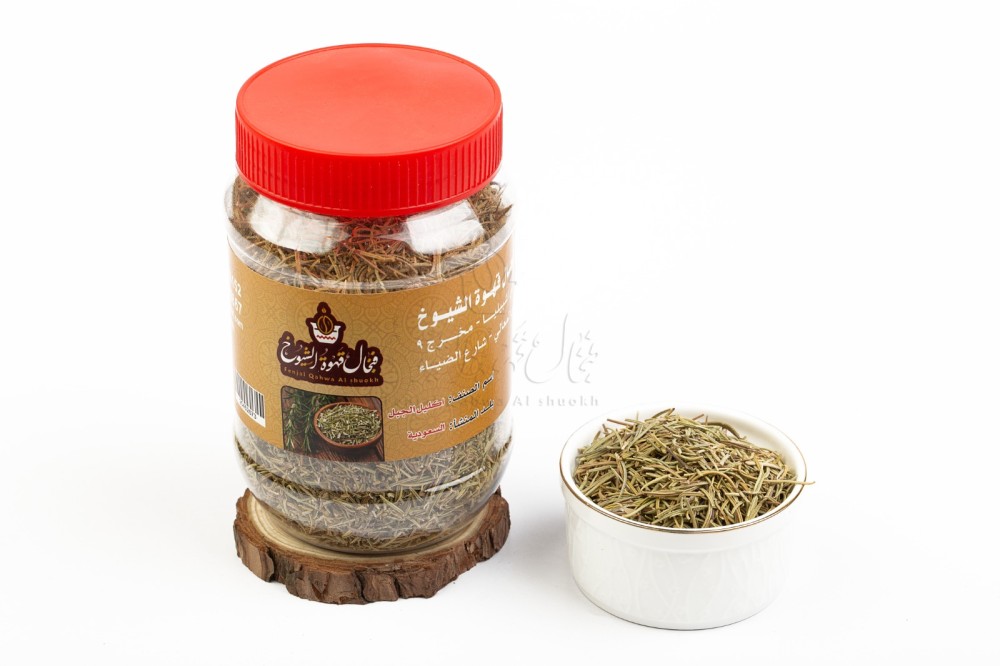
Rosemary is a herbaceous plant from the Lamiaceae family, scientifically known as Rosmarinus officinalis. Rosemary is known for its strong aromatic scent and distinctive flavor that make it popular for culinary and medicinal uses. Here is information about this plant:
Description of rosemary:
- Appearance: Rosemary is characterized by its narrow, dark green leaves that have a strong, pine-like aroma on the breeze.
- Growth: Rosemary grows as a branching shrub with woody branches, and can reach about 1 meter in height.
- Flowers: Rosemary flowers grow white or blue during the spring, and these flowers are attractive to bees.
Uses:
- Cooking: Fresh or dried rosemary leaves are used as a spice to add distinctive flavor to food, especially meat, fish, and green dishes.
- Aromatic Herbs: Rosemary is added to a wide range of aromatic herbs used in cooking to enhance flavor and enrich taste experiences.
- Traditional medicines: Rosemary is used in folk medicine to treat some health conditions, such as digestive problems and muscle pain.
- Essential oils: Rosemary oil is used in the manufacture of perfumes, aromatic lotions, and detergents for its attractive scent.
Health Benefits:
- Antioxidant: Rosemary contains compounds that contribute to combating oxidation and protecting cells from damage.
- Improve digestion: Rosemary drink is popular in some cultures to stimulate digestion.
- Anti-inflammatory: Rosemary is sometimes used as a natural anti-inflammatory.
Additional uses:
- Rosemary leaves can be dried and ground for use as a dried spice.
- Rosemary can be grown in aromatic gardens for personal use.
In short, rosemary is not only an ornamental plant, but it also provides health benefits and distinctive flavor to various dishes, making it a popular addition in the kitchen and for traditional therapeutic uses as well.